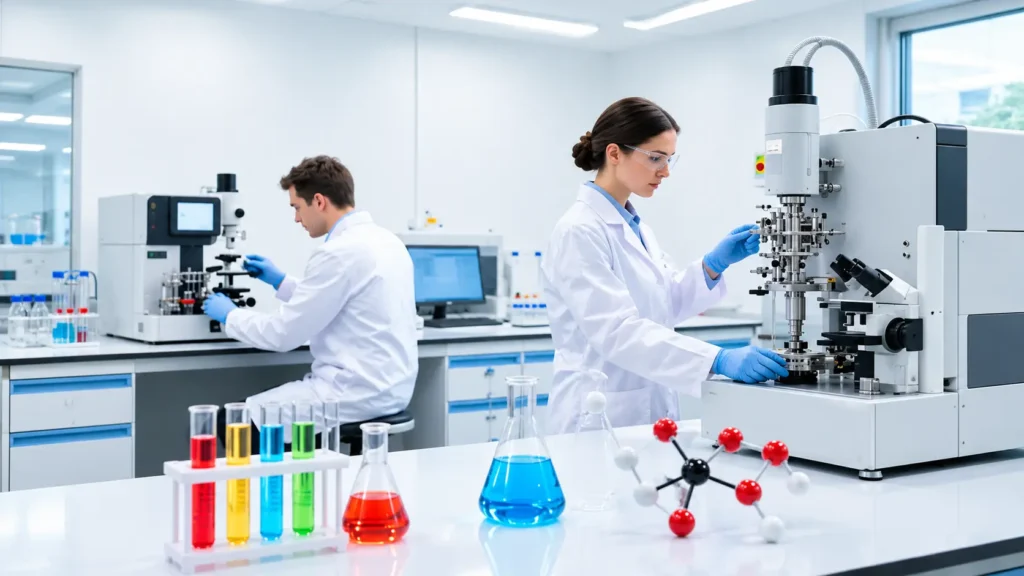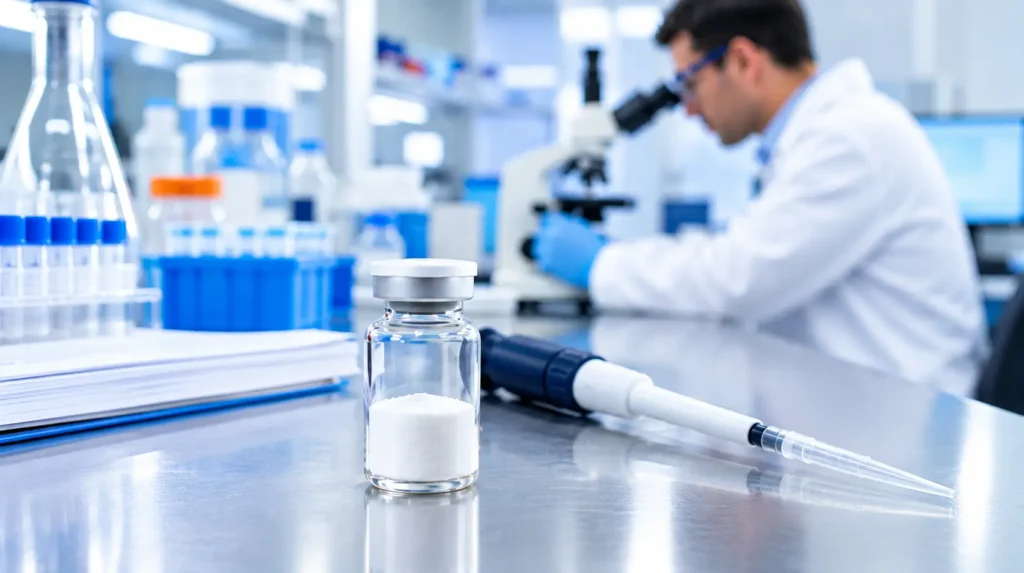

The global peptide therapeutics market, projected to reach $75 billion by 2028, faces increasing pressure to adopt sustainable manufacturing practices as environmental concerns and regulatory requirements intensify. With traditional peptide synthesis generating 5-10 kg of waste per gram of API and solvent usage accounting for 60-70% of environmental impact, the application of ACS Green Chemistry Institute principles offers a transformative framework for reducing the ecological footprint of peptide production.
Comprehensive implementation of green chemistry metrics can achieve 40-60% reduction in waste generation, 30-50% decrease in energy consumption, and significant cost savings while maintaining the highest quality standards. This analysis examines how peptide manufacturers are leveraging ACS guidelines to develop sustainable synthesis processes that meet both environmental and economic objectives in an increasingly sustainability-focused pharmaceutical landscape.
Introduction to Green Chemistry in Peptide Manufacturing
The adoption of green chemistry principles represents a critical evolution in peptide manufacturing, addressing both environmental sustainability and economic efficiency.
The Urgent Need for Sustainable Peptide Production
Multiple factors drive the transition to green chemistry in peptide manufacturing:
- Environmental Regulations: Increasingly stringent waste disposal and emission standards worldwide.
- Investor Pressure: 75% of pharmaceutical investors now consider ESG performance in decisions.
- Cost Efficiency: Rising raw material and waste management costs driving process optimization.
- Market Differentiation: Sustainable products commanding premium pricing and preference.
Historical Context and Evolution
The progression toward sustainable peptide manufacturing:
- Traditional Approaches: Waste-intensive processes with limited environmental consideration.
- Initial Improvements: Incremental efficiency gains and waste reduction.
- Systematic Integration: Comprehensive application of green chemistry principles.
- Current Best Practices: Holistic sustainability across the product lifecycle.
“The application of ACS Green Chemistry principles in peptide manufacturing isn’t just an environmental initiative—it’s a fundamental business strategy that simultaneously reduces costs, mitigates regulatory risks, and enhances competitive positioning. Manufacturers that lead in green chemistry implementation will define the future of sustainable therapeutics.” — Dr. Sarah Chen, Director of Sustainable Manufacturing, Global Pharma Institute.
ACS Green Chemistry Institute Principles: Framework Overview
The twelve principles of green chemistry provide a comprehensive framework for sustainable peptide manufacturing.
Core Principles and Their Application to Peptide Synthesis
Fundamental principles guiding sustainable manufacturing:
| Principle | Traditional Approach | Green Chemistry Application | Impact on Peptide Manufacturing |
|---|---|---|---|
| Waste Prevention | End-of-pipe treatment | Process design to minimize waste generation | 40-60% waste reduction |
| Atom Economy | Low incorporation of materials | Maximizing incorporation of all materials | 25-35% improved efficiency |
| Less Hazardous Synthesis | Use of dangerous substances | Safer chemicals and processes | Reduced safety incidents |
| Designing Safer Chemicals | Toxic products and byproducts | Effective yet benign products | Enhanced product safety |
Principle Integration in Manufacturing Processes
Systematic implementation across peptide production:
- Prevention-Based Design: Waste minimization through process optimization.
- Energy Efficiency: Reduced energy consumption through improved processes.
- Renewable Feedstocks: Sustainable sourcing of raw materials.
- Degradation Design: Products that break down into harmless substances.
Key Green Chemistry Metrics for Peptide Manufacturing
Quantitative metrics provide the foundation for measuring and improving sustainability performance.
Environmental Impact Metrics
Comprehensive assessment of manufacturing impacts:
- Process Mass Intensity (PMI): Total mass used per mass of product.
- E-Factor: Mass of waste per mass of product.
- Carbon Footprint: Greenhouse gas emissions throughout lifecycle.
- Water Usage: Total water consumption and recycling rates.
Economic and Efficiency Metrics
Business-focused sustainability measurements:
| Metric Category | Traditional Performance | Green Chemistry Target | Improvement Potential |
|---|---|---|---|
| Resource Productivity | Low material utilization | High atom economy | 30-50% improvement |
| Energy Efficiency | High energy consumption | Optimized processes | 25-40% reduction |
| Cost Savings | High waste disposal costs | Reduced waste handling | 20-35% savings |
| Regulatory Compliance | Frequent compliance issues | Proactive compliance | Reduced penalties |
Implementation Strategies for ACS Principles
Successful implementation requires systematic approaches tailored to peptide manufacturing specifics.
Process Optimization Techniques
Advanced methods for greener peptide synthesis:
- Solvent Selection and Recovery: Green solvents with 85-95% recovery rates.
- Catalyst Optimization: Efficient catalysts with minimal heavy metal content.
- Process Intensification: Continuous flow systems reducing resource use.
- Energy Integration: Heat recovery and energy optimization.
Technology Adoption Roadmap
Phased approach to green chemistry implementation:
- Assessment Phase: Baseline measurement and gap analysis (1-2 months).
- Pilot Implementation: Small-scale testing of green alternatives (3-6 months).
- Full-Scale Deployment: Comprehensive process changes (6-12 months).
- Continuous Improvement: Ongoing optimization and innovation (ongoing).
Case Studies: Successful Green Chemistry Implementation
Real-world examples demonstrate the feasibility and benefits of ACS principles application.
Case Study 1: Large-Scale Peptide API Manufacturer
A global manufacturer implemented comprehensive green chemistry principles:
- Challenge: High waste generation and energy consumption.
- Solution: Systematic application of ACS principles with metric tracking.
- Results: 55% waste reduction, 40% energy savings.
- Business Impact: $8.5 million annual cost savings.
Case Study 2: Sustainable Peptide CDMO
A contract manufacturer differentiated through sustainability:
- Challenge: Need for competitive differentiation in crowded market.
- Solution: Green chemistry certification and transparent reporting.
- Results: 30% growth in environmentally conscious clients.
- Market Position: Leadership in sustainable peptide manufacturing.
Measurement and Reporting Frameworks
Robust measurement systems ensure accurate tracking and credible reporting.
Metric Tracking Systems
Comprehensive approaches to sustainability measurement:
- Automated Data Collection: Real-time monitoring of resource use.
- Lifecycle Assessment: Comprehensive environmental impact analysis.
- Benchmarking: Performance comparison against industry standards.
- Verification Protocols: Third-party validation of reported metrics.
Reporting and Communication
Effective stakeholder engagement through transparency:
- Sustainability Reports: Comprehensive annual reporting.
- Regulatory Compliance: Meeting evolving disclosure requirements.
- Investor Communications: ESG performance updates.
- Customer Engagement: Supply chain sustainability information.
Regulatory Compliance and Standards Alignment
Understanding and meeting regulatory expectations is crucial for successful implementation.
Global Regulatory Landscape
International standards and requirements:
- EPA Regulations: Waste management and emission standards.
- EU Green Deal: Comprehensive sustainability requirements.
- REACH Compliance: Chemical safety and registration.
- International Standards: ISO 14000 environmental management.
Certification and Recognition Programs
Formal recognition of green chemistry achievements:
- ACS Green Chemistry Institute: Recognition and certification programs.
- Environmental Awards: Industry recognition for sustainability leadership.
- ESG Ratings: Improved ratings through demonstrated performance.
- Customer Certifications: Meeting client sustainability requirements.
Future Trends in Green Chemistry for Peptide Manufacturing
The landscape continues to evolve with new technologies and increasing expectations.
Technology Innovations
Emerging technologies enhancing green chemistry implementation:
- Advanced Biocatalysis: Enzyme-based synthesis with reduced waste.
- Flow Chemistry: Continuous processes with improved efficiency.
- Artificial Intelligence: Optimization of green chemistry parameters.
- Circular Economy Models: Waste valorization and resource recovery.
Regulatory and Market Evolution
Anticipated changes in the sustainability landscape:
- Stricter Regulations: Tighter environmental standards and reporting.
- Investor Scrutiny: Increased focus on sustainability performance.
- Consumer Awareness: Growing demand for sustainable products.
- Technology Advancement: New solutions for green manufacturing.
FAQs: Green Chemistry Metrics and ACS Principles in Peptide Manufacturing
Q: What are the most important green chemistry metrics for peptide manufacturers to track, and how do they relate to ACS Green Chemistry Institute principles?
A: The most critical green chemistry metrics for peptide manufacturers include Process Mass Intensity (PMI), which measures total materials used per unit of product; E-Factor, quantifying waste generation; atom economy, assessing efficiency of material incorporation; and carbon footprint, measuring greenhouse gas emissions. These metrics directly correlate with ACS principles: PMI aligns with waste prevention, E-Factor with atom economy, and carbon footprint with energy efficiency.
Additionally, manufacturers should track solvent usage intensity, water consumption, and energy efficiency. These metrics provide a comprehensive view of environmental performance and help manufacturers implement ACS principles systematically. for example, focusing on PMI reduction supports the prevention principle, while improving atom economy addresses the second principle of maximizing incorporation of materials.
Q: How can small and medium-sized peptide manufacturers implement ACS Green Chemistry principles with limited resources?
A: Small and medium-sized manufacturers can implement ACS principles through a phased, prioritized approach starting with quick wins that deliver rapid returns. Begin with a comprehensive assessment to identify highest-impact opportunities, such as solvent substitution or recovery systems that typically offer fast payback. Leverage industry resources like the ACS Green Chemistry Institute’s tools and guidelines, which provide free or low-cost implementation frameworks.
Focus on process optimization rather than capital-intensive technology investments initially—simple changes like reaction condition optimization or catalyst selection can yield significant improvements. Participate in industry collaborations and knowledge-sharing initiatives to access best practices. Many successful implementations start with 1-2 key metrics, demonstrate success, and then expand systematically. The most effective approach combines internal expertise with external resources to maximize impact within resource constraints.
Q: What is the typical timeline and investment required to implement comprehensive green chemistry metrics tracking and ACS principles in peptide manufacturing?
A: Implementation timelines typically range from 12-24 months for comprehensive programs, with investments varying based on facility size and current systems. Initial assessment and planning require 2-3 months, followed by 3-6 months for pilot implementations of key initiatives. Full-scale deployment takes 6-12 months, with continuous improvement ongoing.
Investment ranges from 500,000 to 2 million for comprehensive implementations, including technology upgrades, staff training, and system implementation. However, many manufacturers achieve positive ROI within 18-24 months through reduced material costs, lower waste disposal expenses, and improved efficiency. The investment breakdown typically includes 40% for process modifications, 30% for monitoring systems, 20% for training, and 10% for certification and reporting. Manufacturers should prioritize initiatives with fastest payback to fund subsequent phases of implementation.
Core Takeaways
- Strategic Imperative: Green chemistry implementation is essential for competitive peptide manufacturing.
- Comprehensive Metrics: Robust measurement systems enable effective management and improvement.
- Systematic Implementation: Phased approach ensures sustainable progress and ROI.
- Business Value: Environmental benefits coincide with significant economic advantages.
- Continuous Evolution: Ongoing innovation and improvement drive long-term success.
Conclusion: The Future of Sustainable Peptide Manufacturing
The application of ACS Green Chemistry Institute principles and comprehensive metrics tracking represents a fundamental shift in peptide manufacturing, from waste-intensive processes to sustainable, efficient production systems. As environmental regulations tighten and stakeholder expectations evolve, manufacturers that embrace green chemistry principles will achieve significant competitive advantages through reduced costs, enhanced reputation, and improved regulatory compliance. The future of peptide manufacturing belongs to those who successfully integrate sustainability into their core operations, using metrics-driven approaches to continuously improve environmental performance while maintaining product quality and business viability.
Looking ahead, the continued evolution of green chemistry technologies and methodologies will enable even greater sustainability achievements in peptide manufacturing. Companies that lead in this transformation will not only meet their environmental responsibilities but will also position themselves for long-term success in an increasingly sustainability-focused market. By making green chemistry a strategic priority and implementing robust measurement systems, peptide manufacturers can ensure they are prepared for the challenges and opportunities of the coming decades, delivering life-saving therapies while minimizing environmental impact.
Disclaimer:
This article contains information, data, and references that have been sourced from various publicly available resources on the internet. The purpose of this article is to provide educational and informational content. All trademarks, registered trademarks, product names, company names, or logos mentioned within this article are the property of their respective owners. The use of these names and logos is for identification purposes only and does not imply any endorsement or affiliation with the original holders of such marks.
The author and publisher have made every effort to ensure the accuracy and reliability of the information provided. However, no warranty or guarantee is given that the information is correct, complete, or up-to-date. The views expressed in this article are those of the author and do not necessarily reflect the views of any third-party sources cited.