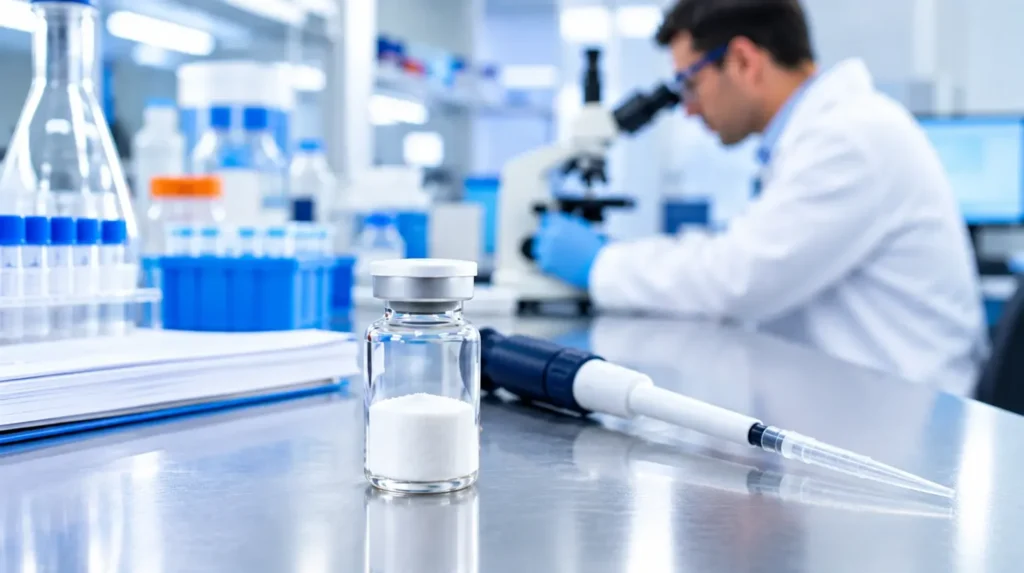
Have you ever received cosmetic peptide raw materials in a batch without any quality assurance? It has happened to me several times. I have spent over a decade in the cosmetic peptide synthesis industry and I know from experience the damage that can be caused.
This article describes the paperwork required to purchase cosmetic peptides. It includes the importance of the MSDS, what a COA is and how traceability provides a safe supply chain.
What Are Cosmetic Peptide Raw Materials and Why Do Documents Matter?
Cosmetic peptide raw materials are chains of amino acids of a short length. They are used in skin care products because of their anti-aging, hydrating and skin-repair properties. In sourcing peptides you must have evidence of the raw materials purity and safety. Without the proper paperwork there is no way to confirm the purchase. Products may be recalled if the paperwork is missing or wrong.
They are a danger to your consumers and they can also fail audits. All reputable cosmetic peptide suppliers will include full documentation with their orders. Your supplier’s good cosmetic peptide list should have documents of proof of purity, safety and origin. Documents are required. They are needed by everyone.
| Document Type | What It Does | Who Needs It | How Often Updated |
| COA | Shows purity and batch quality | Brands, QC labs, formulators | Every batch |
| MSDS / SDS | Shows how to handle safely | Warehouse, labs, shipping | When rules change |
| Traceability Record | Shows where it came from | Auditors, brands, regulators | Every batch |
| Compliance Certificate | Proves it meets market rules | Import and export teams | Each year or per region |
What Should a COA for Cosmetic Peptides Include?
If you are purchasing cosmetic peptide raw materials, ask for a certificate of analysis (COA) up front. You can tell whether the batch is worth the price. Low COA should be a red flag. A good cosmetic peptides manufacturer should provide a high-quality COA with test results, batch number and purity level.
There is also information about the date of the test and the methodology. Both the analyst’s signature and the corporate stamp are required. If you’re missing even one of them, stop right there. Make sure to ask questions first.
Key Items Every COA Must Have
- Peptide name and CAS number: For you to check tested stuff
- HPLC Analysis Purity: min. 98% for cosmetic products.
- Lot/batch number: Connects the authenticity certificate to the delivered goods
- Testing procedures: summary of any laboratory techniques (HPLC, MS, etc) employed
- External appearance: visual characteristics, form, water solubility
- Wetness level: Storage life and quality determinant
- Conditions of storage: Light and temperature and humidity limits
- Maker specifications: Full name and contact information of the issuing lab
Strong COA vs. Weak COA: What to Look For
| COA Feature | Strong COA | Weak COA | Risk Level |
| HPLC Purity Data | Graph and % result both shown | Percentage only, no graph | Medium to High |
| Batch Link | Batch number ties to records | Generic batch number only | High |
| Third-Party Check | Signed by outside lab | Internal sign-off only | Medium |
| Expiry Date | Clearly stated with conditions | Missing or not clear | High |
How Sichuan Pengting Technology Handles COAs
Each batch is completely certified by Sichuan Pengting Technology Co., Ltd. and supported by independent laboratory testing. All the relevant details are taken care of. This makes audits a piece of cake and eases the approval process for purchasers in all markets.
Why Is the MSDS Important for Peptide Raw Materials?
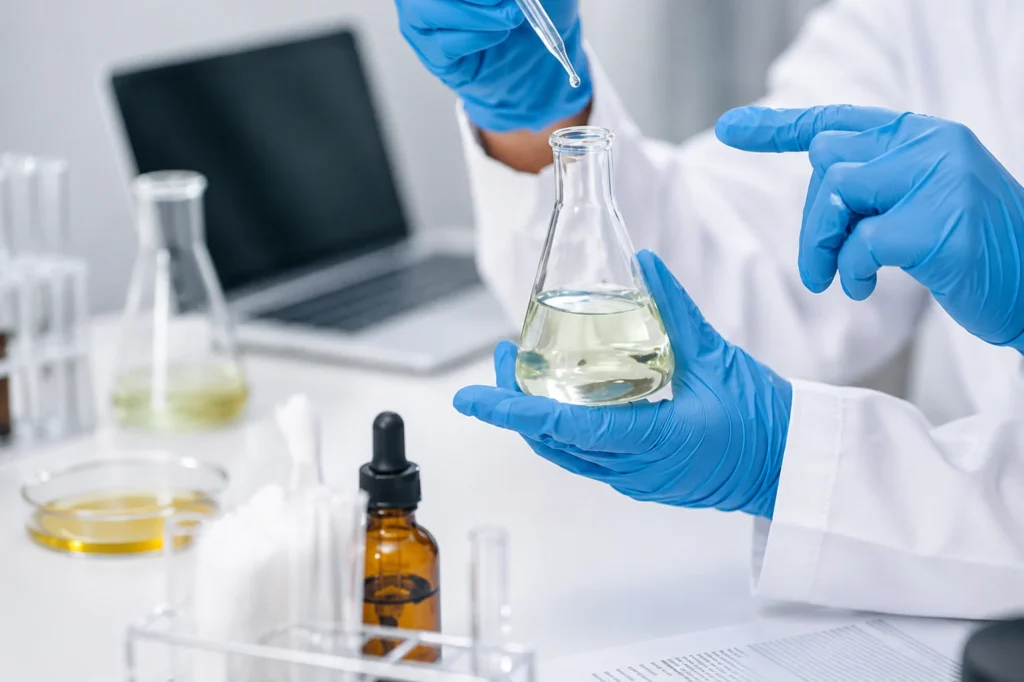
The MSDS is now known as the SDS, a safety document . Most countries’ legal systems require it . It tells the right and safe way for anyone to handle your peptide raw material. It covers disposal, storage, first aid, and fire response. A lot of brands forget to do this. But that’s something regulators never do. Cosmetic peptide raw materials vendors leave out the MSDS, putting everyone at risk. An MSDS is a necessity to protect your crew, cargo and brand.
What a Complete SDS Must Cover
- Product ID: Name, supplier information and what it is used for
- Hazard Info: GHS hazard class, signal word and warnings
- What Is in It: Name of Peptide and Other Replacements
- Safe Handling: Safety Equipment: Gloves, Face Masks and Air Flow Requirements
- Health Data: Toxicity to Skin and Eyes Skin and Eye Toxicity Tests
- Transport Info: Shipping Category and Packaging Regulations
MSDS Rules by Market: A Simple Comparison
| Market | Standard | Format Needed | Risk if Missing |
| European Union | REACH / GHS | 16-section SDS | Product ban, heavy fines |
| United States | OSHA HazCom 2012 | 16-section SDS | Workplace legal risk |
| China | GB/T 16483 | 16-section SDS in Chinese | Import rejection |
| Global Export | UN GHS Rev. 9 | Harmonized SDS | Customs delays |
Supplier SDS vs. Third-Party SDS: Key Points
- Fast & Easy – But Not Expert Reviewed – Supplier SDS
- Third-party SDS: increased confidence from regulators and a little additional expense
- The supplier should write it and have a third party evaluate it and co-sign it. That is the best alternative.
- Sichuan Pengting Technology will supply GHS standard SDS for each shipment. “Such buyers spare themselves the compliance checks.
How Does Traceability Keep Your Cosmetic Peptide Supply Chain Safe?
“Traceability” means the ability to follow the whole production process of peptide raw materials. The next three questions are answered: Where did it come from? Who was doing it to? How did you pack it up? It is necessary to trace the origin of an issue. You cannot make the case that your product is risk-free either.
You want a cosmetic peptide raw materials supplier that is transparent all the way through the process from raw materials to finished product. It includes the manufacture, packaging and shipping of cosmetic peptides. Keep these data and you may avoid fraud, and satisfy authorities.
Traceability Documents You Should Ask For
- Synthesis batch record: a detailed record of the batch creation process
- Raw input log: Origin of amino acids and other components
- QC records for review. Quality of final product after testing
- The security protocol: Keeps track of all batch handler identities and timestamps.
- Packaging and label tracking: Container type, date filled, and label matching
- Log for storage and shipping: Data on temperature and humidity of storage
Which Extra Documents Should Cosmetic Peptide Suppliers Provide?
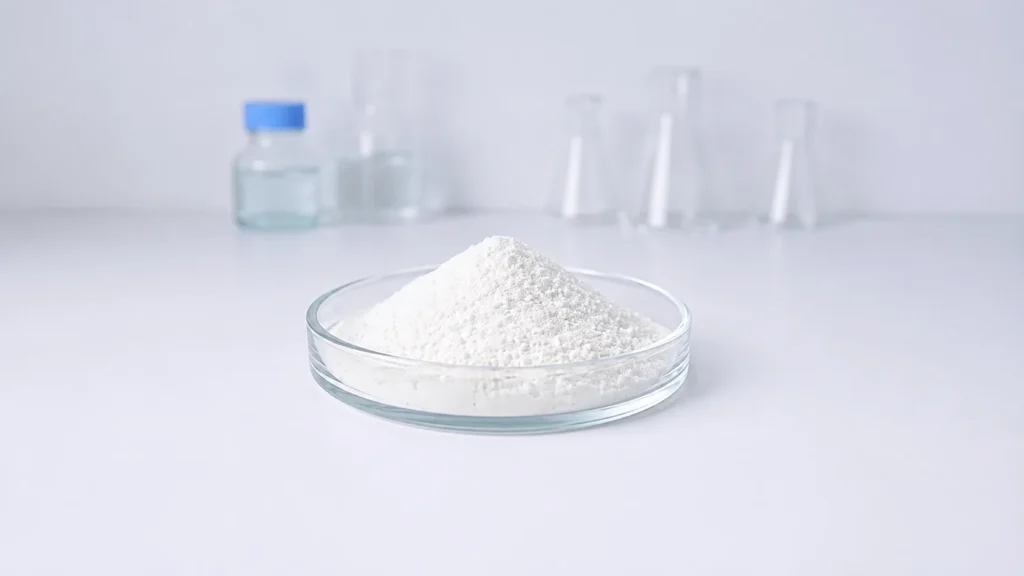
You will need a certificate of analysis (COA), a material safety data sheet (MSDS) and a record of traceability. But the leading suppliers of beauty peptides still have more to do. New markets can be accessed faster with more paperwork. They also build confidence in your product promises. If you are looking at a cosmetic peptide list from a new supplier, be sure to ask for these extra cosmetic peptide raw materials documentation. They show that the provider cares about quality.
Extra Documents Worth Asking For
- An ISO 9001 Or GMP Certificate: Shows That The Manufacturer Uses A Quality System
- Some marketplaces and demographics require a Halal or Kosher certification to buy.
- BSE/TSE-Free Declaration: Guarantees that no animal products that could be harmful have been used.
- Country of Origin Certificate: Significant for trade rules and customs of many countries
- Stability Study Results: The peptide maintains its purity throughout its shelf life
- Heavy Metals Report: Proven to be free of lead, arsenic, mercury and cadmium.
Quick Document Checklist When You Buy Cosmetic Peptides
| Document | Is It Required? | How to Check It |
| Certificate of Analysis (COA) | Yes – every batch | Match batch number |
| MSDS / SDS (GHS format) | Yes – always | Count all 16 sections |
| Traceability / Batch Record | Yes – per batch | Check chain of custody |
| Third-Party Lab Report | Highly recommended | Check lab accreditation |
| GMP or ISO Certificate | Yes – facility level | Check issuing body |
| Stability Test Data | Recommended | Check ICH Q1A rules |
Frequently Asked Questions
What document is essential for cosmetic peptide raw materials?
First and first you need the COA, Certificate of Analysis. This confirms that all batches are good in quality. Always compare the batch number on the package label with that on the COA.
- Enquire about the purity level and the HPLC graph.
- Verify the COA for a signature and date of a qualified analyst.
- Look for the CAS number on the product specification sheet.
Is the SDS the same as the MSDS?
Yes, these are just synonyms for the same thing. Previously named MSDS. A new word, SDS, has been introduced by the GHS system. The GHS SDS follows a 16 section framework that is being followed all over the world.
- Insist on the SDS being in GHS format, with all 16 sections.
- If required, get it written in the language spoken in the place where you live.
- Check that the GHS hazard class has been correctly entered in Section 2.
How to check supplier COA.
Send the product to an external lab and compare the results to the certificate of analysis. Real vendors will be happy to let you do that. The original HPLC data file can also be requested for verification of numbers.
- Select a laboratory that is accredited to ISO/IEC 17025.
- The original HPLC data in digital form can be obtained from the provider upon request.
- Try a small order from a new source before ordering a large amount.
How far should cosmetics peptides go with traceability papers?
A full traceability set includes batch record, input log, QC data, shipment log, and chain of custody. These documents tell you where each batch came from and who handled it.
- All QC tests related to production should be connected to the batch record.
- All persons and places involved must be documented in the chain of custody.
- Storage records must demonstrate stable temperature and humidity conditions.
Is there a GMP certification for each cosmetic peptide supplier?
They can vary in number. But the upper ones do. GMP means that the facility has stringent quality assurance procedures in place. Another red flag is if the provider does not have ISO 9001 or GMP certification.
- Collect and check the GMP or ISO 9001 certificate.
- Check the date of issue to ensure it is still valid.
Conclusion
Working without cosmetic peptide raw materials proof is like walking around without COA, MSDS and traceability records. Documents are more than just paperwork. Think of them as a safety net. The full set of documentation must accompany each batch of peptide raw materials. This protects your company, your clients and yourself. If the cosmetic peptides you’re using cannot do this, find a new supplier.
Sichuan Pengting Technology Co., Ltd. offers reliable cosmetic peptides with all the necessary paperwork. All major international standards are met. Their staff is there to help you with audits and approvals. Are you ready to have cosmetic peptides without fear?