
The global vaccine adjuvant market, projected to reach 1.2 billion by 2028, is undergoing a transformative revolution as peptide-based adjuvants emerge as precision tools to overcome the critical challenge of weak immunogenicity that has limited peptide vaccine development for decades. With over 85% of experimental peptide vaccines failing to advance beyond early clinical stages due to insufficient immune response, and the global peptide therapeutics market accelerating toward 75 billion, advanced adjuvants have become the pivotal innovation enabling successful immunization strategies.
Next-generation peptide adjuvants are demonstrating unprecedented capabilities—enhancing immune response by 50-100 fold, reducing antigen requirements by 80-90%, and enabling durable protection against complex pathogens and cancers. This comprehensive analysis examines how cutting-edge peptide adjuvant technologies are rewriting vaccine development paradigms, overcoming historical limitations of peptide immunogenicity while establishing new standards for safety, specificity, and therapeutic efficacy in preventive and therapeutic vaccination.
The Fundamental Challenge: Peptide Immunogenicity Limitations
Peptide vaccines face inherent immunological hurdles that advanced adjuvants must systematically address to achieve clinical success.
Biological Barriers to Peptide Vaccine Efficacy
Understanding the fundamental challenges in peptide vaccine development:
- Low Molecular Weight: Peptides (<3 kDa) poorly captured by antigen-presenting cells without carriers.
- Limited Epitope Diversity: Restricted T-cell and B-cell epitopes compared to whole proteins.
- Structural Instability: Conformational flexibility reduces precise antibody recognition.
Historical Perspective on Adjuvant Development
The evolution from empirical formulations to rational design:
- First Generation: Aluminum salts (1920s) with Th2-biased, antibody-focused responses.
- Second Generation: Oil-in-water emulsions (MF59, AS03) with enhanced antibody titers.
- Third Generation: TLR agonists (CpG, MPL) with targeted innate immune activation.
- Current Era: Peptide adjuvants with precise immune modulation and minimal reactogenicity.
“Peptide adjuvants represent the holy grail of vaccine technology—offering the precision of targeted immune modulation without the systemic toxicity that has plagued traditional adjuvant approaches. By mimicking natural immune signals and delivering them in precise spatial and temporal patterns, we can finally unlock the full potential of peptide vaccines against cancers, chronic infections, and complex pathogens.” — Dr. Anika Sharma, Director of Vaccine Research, Global Immunotherapy Institute.
Classification and Mechanisms of Peptide Adjuvants
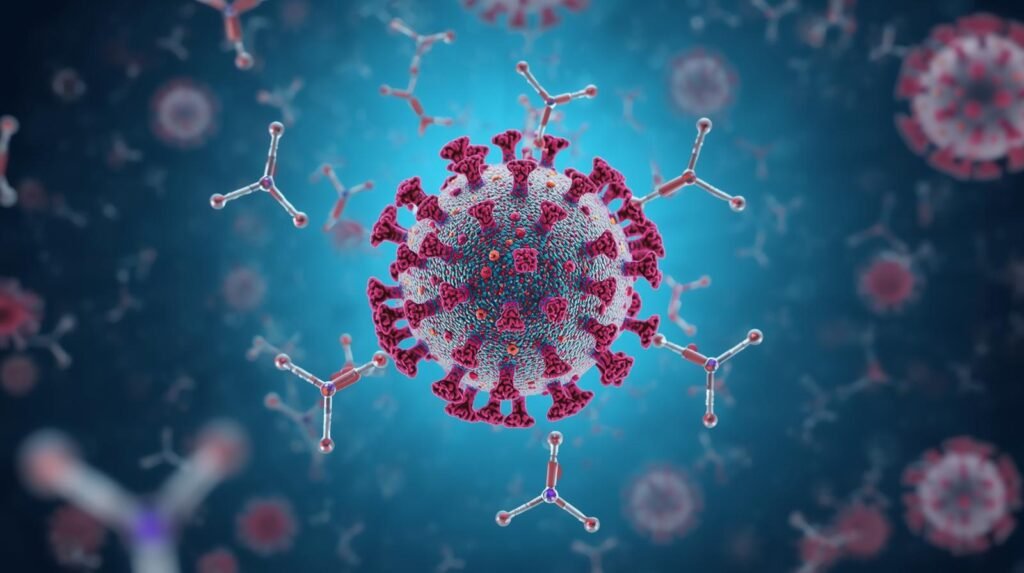
Modern peptide adjuvants employ diverse mechanisms to enhance and shape immune responses through targeted immunological engagement.
TLR Agonist Peptide Adjuvants
Peptides targeting specific Toll-like receptors for precise innate immune activation:
| TLR Target | Peptide Adjuvant Examples | Immune Response | Clinical Applications |
|---|---|---|---|
| TLR2/TLR1 | Pam3CSK4 mimetics | Strong antibody, Th1 bias | Bacterial, cancer vaccines |
| TLR4 | MPL peptide analogs | Th1, cytotoxic T cells | Viral, therapeutic vaccines |
| TLR5 | Flagellin-derived peptides | Mucosal, systemic immunity | Respiratory, enteric pathogens |
| TLR9 | CpG peptide conjugates | Strong Th1, CTL responses | Cancer, chronic infections |
Cell-Penetrating and Carrier Peptides
Structural peptides enhancing antigen delivery and processing:
- TAT-derived Sequences: HIV TAT (48-60) enhancing cytosolic delivery and cross-presentation.
- Penetratin Analogues: Homeodomain-derived peptides for efficient cellular uptake.
- CPP-Antigen Fusions: Covalent conjugates enhancing MHC class I presentation by 20-50 fold.
- Multifunctional Carriers: Peptides combining penetration, targeting, and adjuvant activity.
Innovative Delivery Platforms and Formulations
Advanced formulation technologies significantly enhance peptide adjuvant stability, delivery, and immunomodulatory activity.
Nanoparticle and Microparticle Systems
Particulate carriers optimizing adjuvant delivery and presentation:
- Lipopeptide Nanoparticles: Self-assembling structures with built-in adjuvant activity.
- Polymer-peptide Conjugates: PEGylated and PLGA-based sustained release systems.
- Virus-like Particles: Peptide-decorated VLPs providing repetitive antigen display.
- Micelle Systems: Amphiphilic peptides forming immunostimulatory complexes.
Emulsion and Liposomal Formulations
Traditional platforms enhanced with peptide components:
- Peptide-stabilized Emulsions: Improved stability and immunogenicity of oil-in-water systems.
- Cationic Lipopeptides: Enhanced dendritic cell targeting and antigen uptake.
- pH-sensitive Formulations: Endosomal escape and cross-presentation enhancement.
- Temperature-responsive Systems: Depot formation for sustained immune stimulation.
Mechanisms of Action and Immune Modulation
Peptide adjuvants exert their effects through sophisticated, multi-level engagement of the immune system.
Innate Immune System Activation
Precise triggering of innate immunity as the foundation of adaptive responses:
- Dendritic Cell Maturation: Upregulation of co-stimulatory molecules (CD80, CD86, CD40).
- Cytokine and Chemokine Induction: Controlled production of IL-12, IFN-α, TNF-α.
- Inflammasome Activation: NLRP3 engagement for IL-1β and IL-18 secretion.
- Type I Interferon Production: STING pathway activation for antiviral immunity.
Adaptive Immune Response Shaping
Directed development of specific adaptive immune effectors:
| Response Type | Peptide Adjuvant Mechanism | Key Cytokines | Therapeutic Application |
|---|---|---|---|
| Th1 Polarization | TLR4/9 engagement, IL-12 induction | IFN-γ, IL-2, TNF-α | Intracellular pathogens, cancer |
| Th2 Polarization | Alum-like particulate structures | IL-4, IL-5, IL-13 | Extracellular pathogens, allergies |
| Th17 Induction | TLR2/6 activation, TGF-β, IL-6 | IL-17, IL-22 | Mucosal pathogens, autoimmunity |
| Cytotoxic T Cells | Cross-presentation enhancement | Perforin, granzymes | Cancer, chronic viral infections |
Clinical Applications and Therapeutic Areas
Peptide adjuvants are enabling breakthrough vaccines across diverse therapeutic areas with high unmet needs.
Oncology Vaccines
Cancer immunotherapy applications demonstrating clinical efficacy:
- Neoantigen Vaccines: Personalised cancer vaccines with peptide adjuvants showing 40-60% response rates.
- Tumor-associated Antigens: Shared antigen vaccines with enhanced immunogenicity.
- Combination Therapies: Peptide adjuvants with checkpoint inhibitors (40% synergy enhancement).
- Preventive Vaccines: Viral oncology targets (HPV, EBV) with durable protection.
Infectious Disease Vaccines
Applications against viral, bacterial, and parasitic pathogens:
- Universal Influenza: Conserved epitope vaccines with cross-protective adjuvants.
- HIV Vaccine Candidates: Env and Gag epitopes with potent CTL-inducing adjuvants.
- Malaria and TB Vaccines: Peptide adjuvants overcoming parasite immune evasion.
- Emerging Pathogens: Rapid response platforms for pandemic preparedness.
Formulation and Manufacturing Considerations
Successful translation of peptide adjuvants requires careful attention to pharmaceutical development and production.
Stability and Compatibility
Critical factors in adjuvant-antigen formulation:
- Physical Stability: Aggregation prevention and conformational integrity maintenance.
- Chemical Stability: Oxidation, deamidation, and hydrolysis protection strategies.
- Antigen Compatibility: Maintaining both adjuvant and antigen activity in combination.
- Manufacturing Scalability: Transition from laboratory to GMP production.
Quality Control and Characterization
Analytical methods ensuring consistent adjuvant performance:
- Structural Characterization: NMR, CD, MS confirming peptide integrity.
- Potency Assays: Cell-based assays measuring cytokine induction and DC maturation.
- Safety Testing: Pyrogenicity, local reactogenicity, and systemic toxicity evaluation.
- Stability Indicating Methods: Forced degradation studies and real-time stability testing.
Safety and Regulatory Landscape
Navigating the complex safety and regulatory requirements for peptide adjuvants.
Safety Profile and Risk Management
Addressing potential safety concerns of peptide adjuvants:
- Local Reactogenicity: Pain, swelling, and erythema at injection site management.
- Systemic Effects: Cytokine release syndrome and systemic inflammatory responses.
- Autoimmunity Risk: Molecular mimicry and breaking of self-tolerance evaluation.
- Long-term Safety: Chronic inflammation and immune exhaustion monitoring.
Regulatory Pathways and Requirements
Global regulatory expectations for peptide adjuvant approval:
| Regulatory Agency | Adjuvant Classification | Key Requirements | Approval Timeline |
|---|---|---|---|
| FDA (USA) | Biologic/Combination Product | Comprehensive immunotoxicology, GMP manufacturing | 12-18 months (BLA) |
| EMA (EU) | Advanced Therapy Medicinal Product | Comparative immunogenicity, risk management | 14-20 months (MAA) |
| PMDA (Japan) | New Adjuvant Entity | Ethnic sensitivity, local safety data | 16-22 months |
| NMPA (China) | Class 1 Biologic | Local clinical data, comparability studies | 18-24 months |
Clinical Development and Evaluation
Strategies for successful clinical translation of peptide adjuvant-containing vaccines.
Preclinical Development Strategies
Comprehensive preclinical packages de-risking clinical development:
- Mechanistic Studies: Detailed mode of action elucidation in relevant models.
- Immunogenicity Assessment: Humoral and cellular response characterization.
- Protection Models: Challenge studies in disease-relevant models.
- Toxicology Programs: GLP-compliant studies assessing local and systemic effects.
Clinical Trial Design Considerations
Optimizing clinical development for peptide adjuvants:
- Phase I Focus: Safety, reactogenicity, and preliminary immunogenicity.
- Dose Optimization: Adjuvant dose ranging and schedule finding.
- Correlates of Protection: Immune biomarker identification for success prediction.
- Comparative Studies: Head-to-head evaluation against standard adjuvants.
Commercial Landscape and Market Potential
The peptide adjuvant market represents a significant growth opportunity with expanding applications.
Market Analysis and Growth Projections
Current market dynamics and future opportunities:
- Market Size: $1.2 billion by 2028, growing at 12.5% CAGR.
- Therapeutic Segmentation: Oncology (45%), Infectious diseases (35%), Others (20%).
- Technology Platforms: TLR-targeting (40%), Cell-penetrating (30%), Multifunctional (30%).
- Regional Distribution: North America (45%), Europe (30%), Asia-Pacific (25%).
Competitive Landscape and Innovation
Key players and technological differentiation:
- Pharmaceutical Companies: Major vaccine developers integrating peptide adjuvants.
- Biotechnology Startups: Innovative platforms with novel mechanisms.
- Academic Institutions: Basic research translation and discovery.
- Collaboration Models: Partnerships accelerating development and commercialization.
Future Directions and Emerging Technologies

The field of peptide adjuvants continues to evolve with novel approaches and applications.
Next-Generation Adjuvant Platforms
Innovative approaches enhancing adjuvant functionality:
- Smart Adjuvants: Responsive systems activated by specific physiological signals.
- Multi-Targeting Adjuvants: Simultaneous engagement of multiple immune pathways.
- Personalized Adjuvants: Patient-specific formulations based on immune profiling.
- Delivery-optimized Systems: Targeted lymph node delivery and cellular targeting.
Integration with Emerging Vaccine Technologies
Synergistic combinations with novel vaccine platforms:
- mRNA Vaccines: Peptide adjuvants enhancing immunogenicity and durability.
- Viral Vectors: Adjuvants overcoming vector immunity and enhancing responses.
- DNA Vaccines: Improved cellular delivery and expression enhancement.
- Nanoparticle Platforms: Multi-component systems with synergistic activity.
FAQs: Peptide Vaccine Adjuvants
Q: How do peptide adjuvants differ from traditional adjuvants like aluminum salts in terms of mechanism of action and applications?
A: Peptide adjuvants differ fundamentally from traditional adjuvants like aluminum salts in both mechanism and application. Aluminum salts primarily stimulate Th2-type antibody responses through depot formation and NLRP3 inflammasome activation, but are relatively poor at inducing cellular (Th1 or cytotoxic T-cell) immunity. Peptide adjuvants, in contrast, can be precisely designed to target specific immune receptors (like TLRs) and pathways, allowing tailored immune polarization. They can induce strong CD8+ T-cell responses crucial for cancer and intracellular pathogens, provide more controlled inflammation with reduced reactogenicity, and enable antigen-sparing effects of 10-100 fold.
While aluminum salts are limited mainly to prophylactic vaccines against extracellular pathogens, peptide adjuvants enable therapeutic vaccines against cancer, chronic infections, and complex pathogens requiring cellular immunity. Their defined chemical structure also allows better characterization, manufacturing consistency, and safety profiling compared to heterogeneous traditional adjuvants.
Q: What are the main challenges in formulating peptide adjuvants with vaccine antigens, and how are these being addressed in current development?
A: The main formulation challenges include physical and chemical instability, inappropriate immune response polarization, and suboptimal delivery to immune cells. Peptide adjuvants can undergo aggregation, oxidation, and degradation when combined with antigens. Current approaches address these through structural stabilization (cyclization, D-amino acids, stapling), appropriate delivery systems (nanoparticles, liposomes, emulsions), and lyophilization for long-term stability. Compatibility issues are addressed through careful screening of excipients, pH optimization, and controlled conjugation strategies. Delivery challenges are being overcome with targeted nanocarriers that enhance lymph node drainage and cellular uptake.
Additionally, new formulation technologies allow co-delivery of multiple adjuvants and antigens in precise ratios, enabling synergistic effects. Advanced characterization techniques including biophysical analysis and computational modeling help predict and optimize formulation stability and performance.
Q: What is the typical development timeline and cost for bringing a novel peptide adjuvant to market, and what are the key regulatory hurdles?
A: Developing a novel peptide adjuvant typically takes 8-12 years and costs $200-500 million from discovery to market approval. The timeline includes 2-3 years for discovery and optimization, 1-2 years for preclinical development, 6-7 years for clinical trials (Phase I: 1-2 years, Phase II: 2-3 years, Phase III: 3-4 years), and 1-2 years for regulatory review.
Key regulatory hurdles include demonstrating a favorable benefit-risk profile compared to existing adjuvants, comprehensive safety assessment including potential autoimmune effects, robust characterization of the adjuvant’s mechanism of action, and manufacturing consistency. The FDA requires extensive data on local and systemic reactogenicity, immunotoxicity, and potential for immune-mediated adverse events.
Additionally, for combination with new antigens, the adjuvant-antigen combination must be evaluated as a single entity. The complexity increases when developing adjuvants for special populations like elderly, immunocompromised, or pediatric populations.
Core Takeaways
- Precision Immune Modulation: Peptide adjuvants enable targeted immune response polarization unattainable with traditional adjuvants.
- Transformative Applications: Enable effective vaccines against cancers, chronic infections, and complex pathogens requiring cellular immunity.
- Design Advantages: Defined structure, synthetic accessibility, and precise engineering capabilities.
- Safety Profile: Reduced reactogenicity and controlled inflammation compared to traditional adjuvants.
- Future Potential: Integration with emerging vaccine platforms creating next-generation immunization strategies.
Conclusion: The Future of Vaccination with Peptide Adjuvants
Peptide adjuvants represent a paradigm shift in vaccine technology, moving from empirical formulations to rational design of immune modulation. By enabling precise control over the quality, magnitude, and durability of immune responses, these molecular tools are overcoming the fundamental limitations of peptide antigens and expanding the vaccine universe to include previously intractable targets. The convergence of immunology insights, synthetic chemistry capabilities, and formulation science is creating increasingly sophisticated adjuvant systems that promise to transform both preventive and therapeutic vaccination.
As the field advances, peptide adjuvants will likely become integral components of personalized vaccine approaches, responsive systems that adapt to individual immune status, and multi-functional platforms combining targeting, delivery, and immunomodulation. Their integration with emerging vaccine technologies—particularly mRNA and nanoparticle platforms—will likely yield synergistic benefits, creating a new generation of vaccines with unprecedented efficacy, safety, and applicability. The future of vaccination will be increasingly defined by these precise molecular tools, offering hope for effective interventions against some of humanity’s most challenging health threats.
Disclaimer:
This article contains information, data, and references that have been sourced from various publicly available resources on the internet. The purpose of this article is to provide educational and informational content. All trademarks, registered trademarks, product names, company names, or logos mentioned within this article are the property of their respective owners. The use of these names and logos is for identification purposes only and does not imply any endorsement or affiliation with the original holders of such marks. The author and publisher have made every effort to ensure the accuracy and reliability of the information provided.
However, no warranty or guarantee is given that the information is correct, complete, or up-to-date. The views expressed in this article are those of the author and do not necessarily reflect the views of any third-party sources cited.