
High-purity research-grade Retatrutide API material with transparent tiered volume pricing. Manufactured using advanced multi-agonist peptide synthesis technology for metabolic research-grade reference material applications.
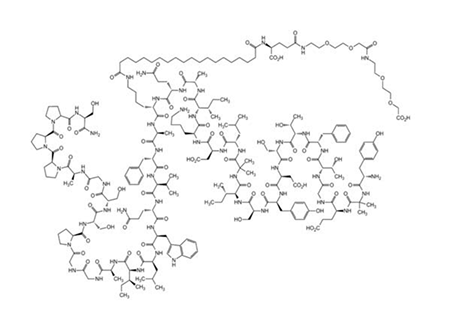
Retatrutide API is an investigational peptide targeting GLP-1, GIP, and glucagon metabolic receptors simultaneously. It is manufactured strictly for laboratory research models focusing on metabolic receptor pathways and endocrine system mechanisms. This active pharmaceutical ingredient is manufactured to the most stringent purity standards at Sichuan Pengting Technology Co., Ltd. And it’s one of the most cutting-edge substances on the market for biologic api development right now. We can provide verified documentation for research scale and commercial scale Retatrutide API orders.
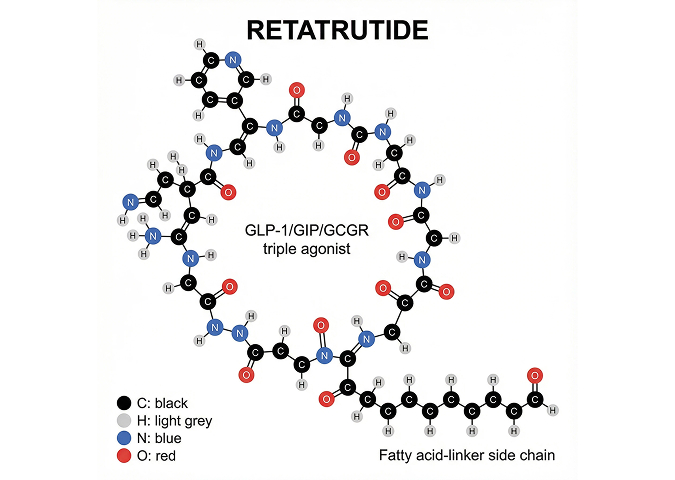
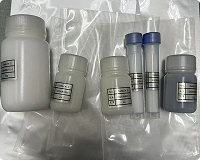
The sequence of amino acids is important for the making of retitrutide. For complex APIs, solid-phase peptide synthesis (SPPS) is the method of choice for backbone synthesis due to its excellent sequence accuracy and batch uniformity.

A linker is used to link the fatty acid chains to extend the half-life in the body. This lipidation process is essential for medic-like behavior. It is a part of our advanced peptide synthesis technique and keeps the costs down.

Retatrutide api is used in research labs for the research of obesity, metabolic syndrome, and non-alcoholic fatty liver disease (NAFLD). The chemical allows researchers to test various methods of formulation and distribution before moving to larger studies.

Manufactured under a documented internal quality management system with batch-level traceability records available on request.

CROs and biotech startups working on metabolic disease programs utilize our custom peptide manufacturing service. We can ship anywhere from 1g to 1kg in both small and large quantities, with custom packaging options, complete documentation and rapid turnarounds.

The retatrutide chain is built one amino acid at a time using Solid-Phase Peptide Synthesis (SPPS). Next step is to attach each residue to a resin support, wash and verify it. This approach allows fine control of sequence accuracy, the foundation of retatrutide peptide structure, while keeping impurity levels in the final product low.
After the chain is constructed, the fatty acid groups are attached to the peptide backbone through a specific linker. This lipidation process is designed to extend the molecule’s stability profile, a structural feature commonly studied in long-acting peptide RUO (Research Use Only). This step represents an advanced stage of API synthesis that distinguishes long-acting peptides from short-acting peptides in laboratory analysis, and it requires precise reaction conditions to achieve consistent results.
The crude peptide is then purified by preparative Reverse-Phase HPLC, which separates the desired component from by-products of the synthesis. Many rounds of chromatography are run to maintain the purity at ≥98%. The purified product is lyophilized or freeze-dried to obtain a white powder. This final form is stable for long-term use and is ready for release testing by analytical methods, according to API criteria for certification.
We use solid-phase peptide synthesis technology in fully automated systems. Retatrutide and other complicated APIs are carefully put together, one amino acid at a time. Because of this, we can easily make long sequences that have more than one agonist. Reagents and resins are fine-tuned to get the best coupling yields.
After making crude peptides, they go through a multi-step purification process, which usually involves preparative HPLC. We get 98% purity or higher by separating the target peptide from its by-products. When making chromatography columns and gradients, the unique properties of each molecule are taken into account. Lyophilization or vacuum drying turns the purified API into a powder.
We check for quality at every step. One way to avoid synthesis mistakes is to keep an eye on the retention time. HPLC, mass spectrometry, and other tests are used to make sure that the final batches are the right ones, in the right order, and pure. Only batches that meet strict standards for how they look, how wet they are, and how pure they are are released.
APIs are packed under controlled conditions using sealed containers that don’t react with the contents and protect against moisture and oxidation. Sensitive peptides can be packaged with desiccants or inert gas depending on stability needs. Every package includes clear product and batch information.
Sichuan Pengting Technology Co., Ltd. provides a variety of carefully selected custom peptide manufacturing services. Our peptide catalog includes products with full analytical documentation. Whether you need small quantities for RUO (Research Use Only) or bulk quantities for wholesale purchase, our team can assist you in locating the right substance in no time. Our quality control process and cold-chain shipping protocol are documented and available for review through cold chain verification.

Product Name: Retatrutide
CAS No.: 2381089-83-2
Purity: ≥98%
Appearance: White powder
Packing specifications (powder):1g – 1kg
Price: Get the latest price
Retatrutide is studied as a GLP-1/GIP/Glucagon multi-receptor peptide. This triple-receptor mechanism is of research interest for studying combined metabolic pathway effects that single-pathway research cannot capture. This triple-agonist mechanism allows researchers to study combined metabolic effects that single-pathway compounds cannot replicate.
For RUO (Research Use Only). Not for human or veterinary use. Studied in preclinical research related to metabolic disorders, including obesity, type 2 diabetes, metabolic syndrome, and non-alcoholic steatohepatitis.
Each peptide works on different receptors. Final decisions should be driven by research objectives and available funds. So, we have provided a simple comparison to help you decide and should give you some idea about the importance of retatrutide approval in the years 2024-2025.
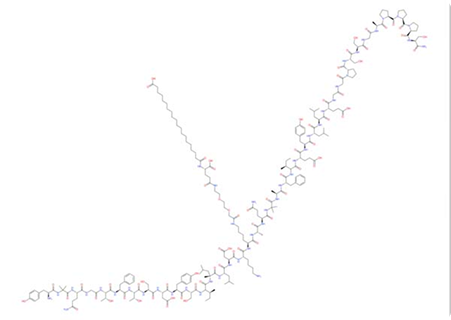
Investigational triple-agonist peptide (GLP-1/GIP/Glucagon) designed for multi-target metabolic research models. It supports multi-target metabolic research models where combined pathway effects need to be studied together. Researchers use it when a protocol requires broader receptor coverage than single or dual-agonist compounds provide.
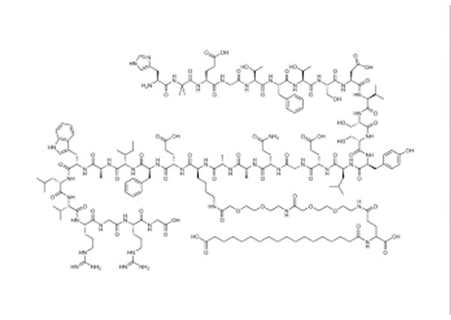
Single-receptor GLP-1 agonist, established baseline standard for single-pathway metabolic study designs. Its well-known binding profile makes it a reliable reference when comparing newer multi-agonist compounds. Labs often use it as a control in studies isolating GLP-1 activity from other pathways.
Dual-receptor agonist (GLP-1/GIP), widely used in dual-pathway comparative research. It sits between single and triple-agonist compounds, useful for studying combined two-pathway effects without added complexity. This makes it a common reference point in research building from single-receptor baselines toward multi-target models.
Retatrutide API is a lyophilized peptide and is very sensitive to heat, light, and moisture. Long-term storage: -20 °C, in a dry, airtight container, protected from freeze-thaw cycles. Short-term working storage: 2–8 °C, for up to 30 days. Use the solution immediately after reconstitution or store at 4°C for no more than 7 days. All of our shipments are cold-chain verified with approved thermal packaging and temperature monitoring data loggers.
Store at -20°C in an airtight, dehydrated container to prevent hydrolysis of peptide bonds.
Store at 2-8°C (refrigerated) for up to 30 days. Recommended for active laboratory use.
Freeze – thaw cycles – this reduces the concentration of active peptides if repeated.
If sterile water or acetic acid solution is used for reconstitution, batch-specific COA requirements must be followed.
Store in amber vials or foil-wrapped containers to prevent photo-degradation.
All items are shipped in cold chain packaging meeting international requirements, either dry ice or gel packs.

Each batch is tested using High Performance Liquid chromatography (HPLC). This confirms ≥98% purity, identifies any impurities present and gives a chromatogram trace for full analytical traceability which is a must for API certification.
Each peptide batch is confirmed by MS analysis for the same molecular weight and identity. This eliminates replacement errors and confirms the correct sequence for complex API manufacturing where identification confirmation is required.
The Limulus Amebocyte Lysate (LAL) test is used to determine the amount of bacterial endotoxin in each batch. For applications requiring low endotoxin levels, LAL testing is available. They’re Available for clients who need endotoxin data for their research protocol for research purposes and come with our standard COA package.
Each shipment is accompanied by a full COA outlining the product’s history of storage, water content, appearance, residual solvents and purity. After our QC team has signed off the COA. Available for your internal RUO (Research Use Only) documentation.

Our documentation practices reference ICH Q7 principles as internal quality guidance. We do not hold cGMP certification or a US DMF. Customers requiring cGMP-grade material should contact us to discuss qualified partner options. This material is supplied strictly for laboratory research use and is not manufactured, tested, or certified for pharmaceutical, clinical, diagnostic, or human-use applications.
Sichuan Pengting Technology Co., Ltd. is a peptide supplier serving research institutes and laboratories in many countries. Our technical support team is available to assist with analytical interpretation of COA data, solubility guidance, and product characterization queries. We aim to build long-term relationships with our research partners, not just complete one-off sales. Whether you’re evaluating Retatrutide API for your research program or need help with documentation, our team responds within 24 hours. Reach out today for a sample or a custom quote.
Retatrutide API is primarily used in pharmaceutical research for obesity, type 2 diabetes, metabolic syndrome, non-alcoholic fatty liver disease (NAFLD), and other metabolic disorders. It is also used in formulation development and early-stage clinical research.
Retatrutide API is manufactured using Solid-Phase Peptide Synthesis (SPPS), followed by lipidation, HPLC purification, lyophilization, and rigorous quality testing to achieve high purity and batch consistency.
Every batch is supplied with a complete Certificate of Analysis (COA), including HPLC purity testing, Mass Spectrometry (MS) verification, endotoxin (LAL) testing, sterility data, and batch traceability documentation.
Retatrutide API is a triple agonist that targets GLP-1, GIP, and glucagon receptors. In comparison, Semaglutide targets only GLP-1, while Tirzepatide targets GLP-1 and GIP. This makes Retatrutide a promising option for advanced metabolic disease research.
For long-term stability, Retatrutide API should be stored at -20°C in a dry, airtight container. For short-term laboratory use, it can be stored at 2–8°C for up to 30 days. Repeated freeze-thaw cycles should be avoided.
Our Retatrutide API is manufactured under strict quality standards with 98–99% purity, complete COA documentation, cold-chain shipping, flexible order quantities from 1g to 1kg, and support for both research-scale and commercial-scale pharmaceutical projects.

Contact us today for a personalized quote and discover how our peptide solutions can drive your projects forward!
